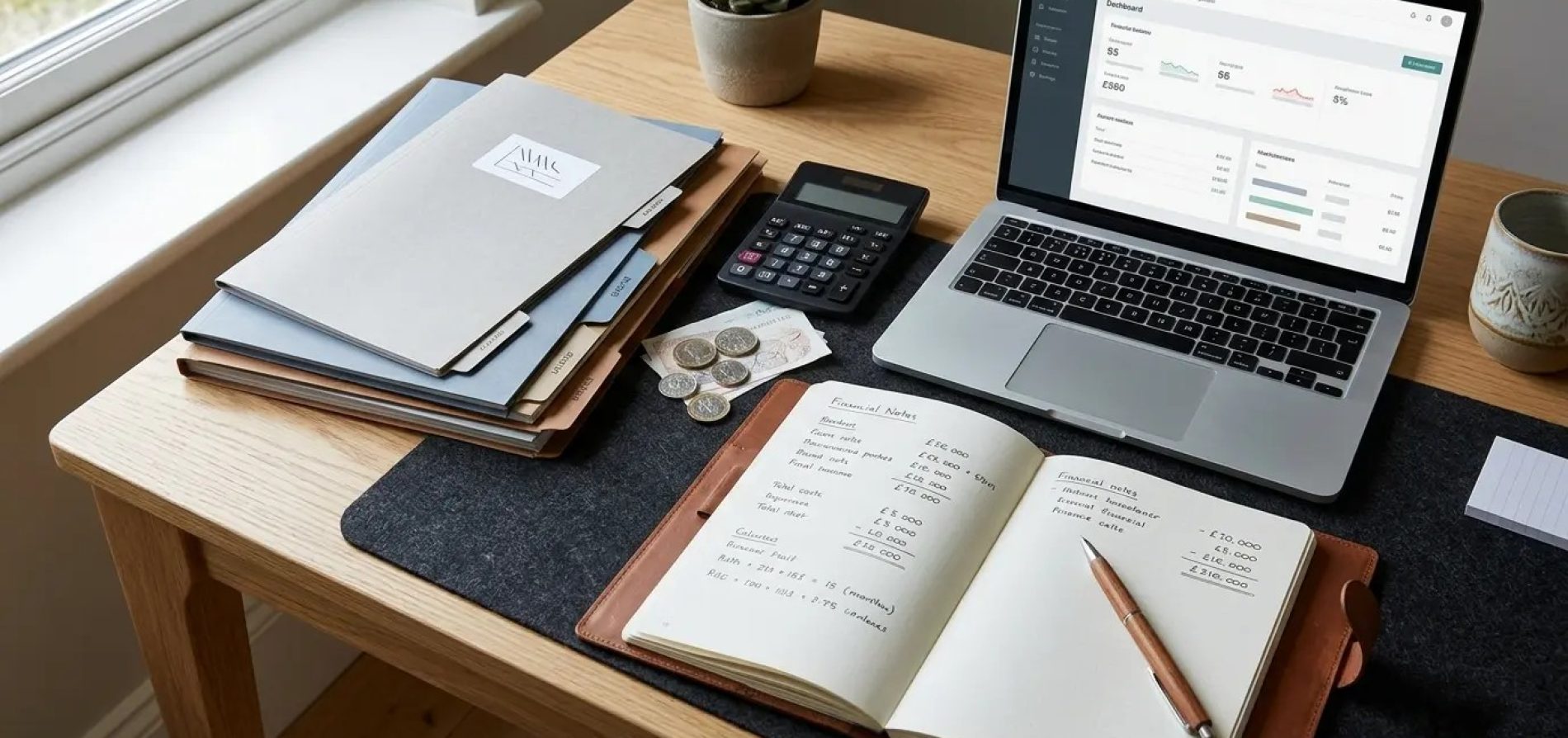
If you are freelancing in the UK, sooner or later the same question appears: do freelancers need an accountant, or can you handle everything yourself?
The honest answer is simple: you are not legally required to have an accountant just because you are a freelancer. Many freelancers file their own Self Assessment tax return, especially when their income is straightforward. But once your work becomes regular, your expenses increase, your tax bill grows, or you start wondering whether sole trader or limited company status is better, good advice can quickly pay for itself.
Freelancing gives you freedom, but it also makes you responsible for your records, tax return, expenses, deadlines and business decisions. A freelance accountant helps you stay compliant, avoid costly mistakes and understand what you can legitimately claim.
Need help with your freelancer tax return or business structure? Accounting People supports freelancers, consultants, creatives, digital professionals and self-employed workers across London and the UK. Speak to our team for clear, practical advice before tax becomes stressful.
Do freelancers legally need an accountant?
No. UK freelancers do not legally need to appoint an accountant.
If you are self-employed as a sole trader, you normally need to register for Self Assessment once your freelance income goes over the relevant threshold. You must also keep accurate records, report your income and expenses, and pay any tax due. HMRC does not say you must use an accountant to do this.
However, “not compulsory” does not always mean “not useful”. Tax mistakes can happen easily when you are busy serving clients, sending invoices and trying to grow your income. Common problems include missing allowable expenses, mixing personal and business spending, forgetting to save for tax, registering late, or misunderstanding payments on account.
An accountant does not remove your responsibility, but they can make the process much easier and safer.
When should a freelancer hire an accountant?
You may not need an accountant on day one if you have one small client, very few expenses and a simple tax position. But there are clear signs that getting professional help would make sense.
You should consider hiring an accountant if your freelance income is becoming regular, you are close to a new tax band, you have several clients, you claim home office or travel costs, you work with overseas clients, or you are unsure whether to stay as a sole trader or form a limited company.
It is also worth speaking to an accountant if you have missed a deadline, received a letter from HMRC, started subcontracting work, taken on staff, become VAT registered, or need to prepare for Making Tax Digital for Income Tax.
Many freelancers wait until January and then rush their tax return. A better approach is to speak to an accountant earlier in the year, so you can plan properly, organise your records and avoid last-minute panic.
What does an accountant do for freelancers?
A good accountant for freelancers does more than submit a tax return.
They help you understand your numbers throughout the year. That includes checking your income, organising your expenses, reviewing your bookkeeping, calculating your tax position and explaining what you need to set aside.
They can also help with Self Assessment tax returns, allowable expenses, bookkeeping, tax planning, VAT advice, business structure decisions and HMRC communication.
For example, they can prepare and file your tax return, identify costs you may be able to claim, explain payments on account, and help you avoid missed deadlines. They can also advise on expenses such as software, equipment, professional subscriptions, business travel, phone costs, marketing, training and use of home where appropriate.
For many freelancers, the biggest benefit is confidence. You know what you owe, what you can claim, and what need to do next.
Can freelancers do their own tax return?
Yes, many freelancers can file their own Self-Assessment tax return, especially in the early stages.
Doing it yourself can work if your income is simple, you keep tidy records, you understand allowable expenses, and you feel comfortable using HMRC’s online system. It may also suit you if your freelance work is only a small side income, and you have very limited costs.
But you need to be honest about your time and confidence. A tax return is not just a form. It is a summary of your business income, expenses, and tax position. If your records are unclear, your figures may be wrong.
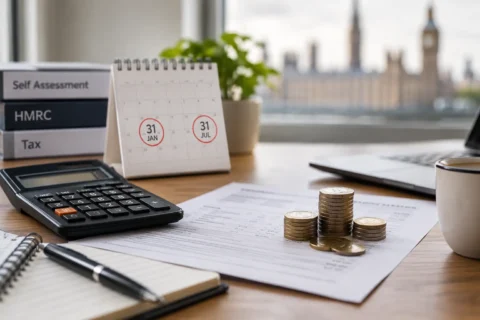
You usually need to tell HMRC by 5 October after the tax year you need to report, and online tax returns and payments are normally due by 31 January. Leaving everything until the last few days increases stress and raises the risk of mistakes.
DIY can also cost more than expected if you underclaim expenses, miss deadlines, misunderstand payments on account, or fail to register for VAT when required.
Freelancer, sole trader or limited company: why structure matters
Many freelancers start as sole traders because it is simple. You work for yourself, keep the profits after tax, and report your income through Self-Assessment.
That setup works well for many UK freelancers. But it is not always the best long-term structure. As your income grows, a limited company may become worth considering. A company can offer a more formal structure, different tax-planning options, and a stronger separation between you and the business. It also brings extra responsibilities, including company accounts, Corporation Tax, payroll considerations, and Companies House filings.
This is where advice matters. The right structure depends on your profit, plans, industry, risk level, clients, and how you want to take money from the business.
A freelancer accountant can help you compare the options rather than guessing. If staying as a sole trader is best, they will tell you. If a limited company may be more suitable, they can explain the pros, cons, and responsibilities clearly.
If you are thinking about moving from sole trader to limited company, our limited company accounting services can help you understand the tax, payroll, Corporation Tax and filing responsibilities before you make the switch.
What expenses can freelancers claim?
Freelancers can usually claim allowable business expenses that are wholly and exclusively for the purpose of their work. These expenses reduce taxable profit, which can reduce the amount of tax you pay.
Common freelancer expenses may include accounting fees, software subscriptions, business insurance, website costs, marketing, professional memberships, stationery, equipment, training, business mileage, travel for client work and a reasonable portion of home office costs.
The important word is “allowable”. Not every cost connected to your life as a freelancer qualifies. Personal spending, ordinary clothing, private travel and mixed-use costs need careful treatment. If something has both business and personal use, you may only be able to claim the business portion.
This is one of the most common areas where freelancers either underclaim because they are nervous, or overclaim because they misunderstand the rules. A good accountant helps you stay on the right side of the line.
For more detail on tax return deadlines, registration and filing responsibilities, read our Self Assessment for freelancers guide.
Accounting Software for Freelancers
Good records make freelancer tax much easier to manage. Many freelancers use cloud accounting software such as Xero, QuickBooks, FreeAgent or Sage to track invoices, expenses, bank transactions and tax records.
Accounting software can help you:
- send invoices quickly
- track unpaid client payments
- record expenses
- connect your business bank account
- monitor profit
- keep digital records
- prepare for Self Assessment
- stay ready for Making Tax Digital
Software is useful, but it does not replace professional advice. A freelancer accountant can help you choose the right setup, avoid common bookkeeping mistakes and make sure your records are accurate before your tax return is prepared.
How much does an accountant cost for freelancers?
Freelancer accountant fees vary depending on what you need. A simple Self Assessment tax return usually costs less than ongoing bookkeeping, VAT returns, payroll or limited company accounts.
The better question is not only “how much does an accountant cost?” but “what value will I get?” For some freelancers, value means saving hours of admin. For others, it means claiming expenses correctly, planning for tax, avoiding penalties or choosing the right business structure.
Before choosing an accountant, ask what is included. Some services only file the return. Others provide year-round advice, bookkeeping support, deadline reminders and tax planning. Freelancers often benefit from a proactive accountant who explains things in plain English rather than only appearing at deadline time.
How our freelancer accounting process works
At Accounting People, we keep the process simple.
First, we look at your current position. We review how you work, your income, your expenses, your deadlines and whether you operate as a sole trader or through a limited company.
Next, we organise your records. If your bookkeeping is tidy, we use it. If it is messy, we help you put it into a clearer structure so your tax return is based on accurate figures.
Then we prepare your tax return or accounts, explain the numbers and tell you what needs to be paid and when. We also look for planning opportunities, such as expense claims, VAT considerations, software setup or whether your business structure still fits your goals.
Finally, we help you stay ahead for the next year. That means fewer surprises, fewer January worries and more time to focus on your clients. Once your new freelancer service page is live, link the phrase accountants for freelancers from this section.
Why freelancers choose Accounting People
Freelancers want advice that is clear, responsive and practical. You do not need complicated language. You need someone who understands UK tax, explains your options and helps you make confident decisions.
Accounting People works with freelancers, self-employed professionals, consultants, creatives, contractors, online business owners and small service businesses. We support clients across London, including Harrow, Edgware, Stanmore, Wembley and Watford, as well as freelancers across the UK who prefer online accounting support.
Our team can help with Self Assessment, bookkeeping, tax planning, VAT, limited company advice and year-round accounting support. We focus on making your finances easier to manage, not more confusing.
Do freelancers need an accountant?
Freelancers do not legally need an accountant in the UK, but many benefit from having one.
If your freelance work is small, simple and well organised, you may be able to manage your own tax return. But if your income is growing, your records are messy, you want to claim expenses correctly, or you simply want peace of mind, an accountant can be a sensible investment.
The right accountant helps you save time, stay compliant and make better decisions. More importantly, they let you spend less time worrying about tax and more time building the freelance business you actually want.
Need help with your freelancer accounts or Self Assessment tax return? Contact Accounting People today for straightforward advice from a UK-based team that understands freelancers.