Side hustles are now a normal part of life for many people across the UK. From freelancing and online selling to tutoring, delivery work, content creation and weekend services, more people are earning extra income alongside their main job.
But once that extra money starts coming in, one important question follows:
Do I need to pay tax on my side hustle in the UK?
This Side Hustle Tax UK guide explains the key HMRC rules in simple terms, including the £1,000 trading allowance, when you need to register for Self Assessment, what expenses you may be able to claim, and how to stay compliant as your side income grows.
The rules are not always difficult, but they are easy to misunderstand. Many people assume that a small side hustle does not need to be reported, or that tax only applies when they are making a full-time income from it. In reality, your responsibilities depend on how much you earn, whether you are trading for profit, and how your income is structured.
If your side hustle is starting to grow, understanding the tax position early can help you avoid missed deadlines, unexpected bills and unnecessary stress later.
What Counts as a Side Hustle for Tax Purposes?
A side hustle is usually any extra income you earn outside your main employment or regular income. It can be casual, part-time or growing into a proper business.
Common examples include:
- Selling products on Etsy, eBay, Amazon, Vinted or Shopify
- Freelance writing, design, marketing, bookkeeping or consulting
- Tutoring, coaching or online courses
- Dog walking, gardening, cleaning or repair services
- Creating paid content, affiliate income or brand partnerships
- Renting out equipment, parking spaces or property
- Buying and reselling goods for profit
HMRC looks at the nature of the activity, not just what you call it. Selling a few personal items you no longer need is different from regularly buying items to resell at a profit. GOV.UK gives examples of online selling, providing services and creating online content, and explains that income from different trading activities may need to be added together when checking whether you need to tell HMRC.
The £1,000 Trading Allowance Explained
The first rule most side hustlers need to understand is the £1,000 trading allowance.
If your total gross trading income is £1,000 or less in a tax year, you may not need to tell HMRC or file a tax return for that income. Gross income means the total amount received before deducting expenses. GOV.UK states that if annual gross trading income is £1,000 or less, you may not have to tell HMRC, although there are situations where you still need to register for Self Assessment.
This allowance can apply to income from self-employment, casual services such as babysitting or gardening, and hiring out personal equipment. However, it does not mean every side hustle is automatically tax-free. The key point is that the allowance is based on gross income, not profit.
For example:
If you sell handmade candles and receive £950 in the tax year, you may be covered by the trading allowance.
If you receive £1,400 but spend £600 on materials, your profit may only be £800, but your gross income is still over £1,000, so you may need to tell HMRC.
If your side hustle income is growing and you are unsure whether to register, Accounting People can support you with Self Assessment tax services and help you understand what needs to be reported.
Do You Need to Register for Self Assessment?
You generally need to tell HMRC if your gross trading income from side hustles is over £1,000 in the tax year.
HMRC’s own side hustle guidance makes this clear: if you earn over £1,000 from side hustles, you still need to tell HMRC, and at the moment this is usually done through a Self Assessment tax return. HMRC has said a new online reporting tool is expected by 2029 for people earning between £1,000 and £3,000 from side hustles, but that tool is not currently the standard process. (Tax Help for Hustles)
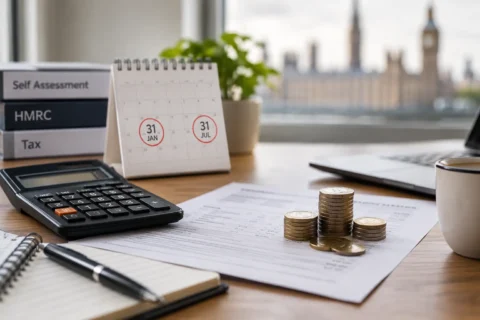
If you need to complete a tax return for the previous tax year and have not sent one before, GOV.UK says you must tell HMRC by 5 October. You also need to pay any tax due by 31 January.
For the 2025/26 tax year, HMRC lists these key deadlines:
- Register for Self Assessment by 5 October 2026
- Submit paper tax return by 31 October 2026
- Submit online tax return by 31 January 2027
- Pay Self Assessment tax by 31 January 2027
For support with filing, see Accounting People’s guide to Self Assessment tax returns for sole traders.
Do You Pay Tax on Revenue or Profit?
For most side hustles, tax is usually calculated on profit, not total sales.
Your profit is normally:
Income from your side hustle minus allowable business expenses
For example, if you earned £8,000 from freelance design work and had £1,500 of allowable expenses, your taxable profit would usually be £6,500.
Allowable expenses can include costs that are genuinely related to running the side hustle. GOV.UK lists examples such as office costs, travel costs, stock or raw materials, insurance, bank charges, business premises costs, advertising, marketing and certain training courses. However, you cannot claim expenses if you choose to use the £1,000 trading allowance instead.
This is where careful planning matters. If your expenses are low, using the trading allowance may be simpler. If your expenses are high, claiming actual costs may reduce your taxable profit more effectively.
What Expenses Can Side Hustlers Claim?
The expenses you can claim depend on what you do.
A freelance graphic designer may claim software subscriptions, a business-use laptop, marketing costs, part of internet costs and professional training. An online seller may claim stock, packaging, postage, marketplace fees and advertising. A dog walker may claim business insurance, travel, branded uniform and marketing.
You should keep records of:
- Sales invoices and platform statements
- Receipts for business purchases
- Mileage and travel records
- Bank charges and payment processor fees
- Software and subscription costs
- Home office calculations, where relevant
- Stock purchases and postage costs
If you also need to complete a tax return, our Self Assessment records checklist explains the wider information to prepare before filing.
Good records make tax returns easier and reduce the risk of missing deductible costs. If your side hustle is becoming more regular, using cloud software can help you separate business income, track expenses and prepare for tax season. Accounting People offers cloud accountancy support for businesses that want clearer records and less year-end stress.
Side Hustles and PAYE Employment
Many people start a side hustle while still working a full-time or part-time job.
Your employment income is usually taxed through PAYE, but that does not automatically deal with your side hustle income. Side hustle income is separate and may need to be reported to HMRC through Self Assessment.
This is especially important if your side income pushes your total income into a higher tax band. The standard Personal Allowance is £12,570, with Income Tax rates of 20%, 40% and 45% applying across the relevant bands in England, Wales and Northern Ireland. Scottish Income Tax bands differ.
You may also need to consider National Insurance if your side hustle is treated as self-employment. For the 2026/27 tax year, self-employed people pay Class 4 National Insurance if profits are more than £12,570, with rates of 6% on profits over £12,570 up to £50,270 and 2% on profits over £50,270.
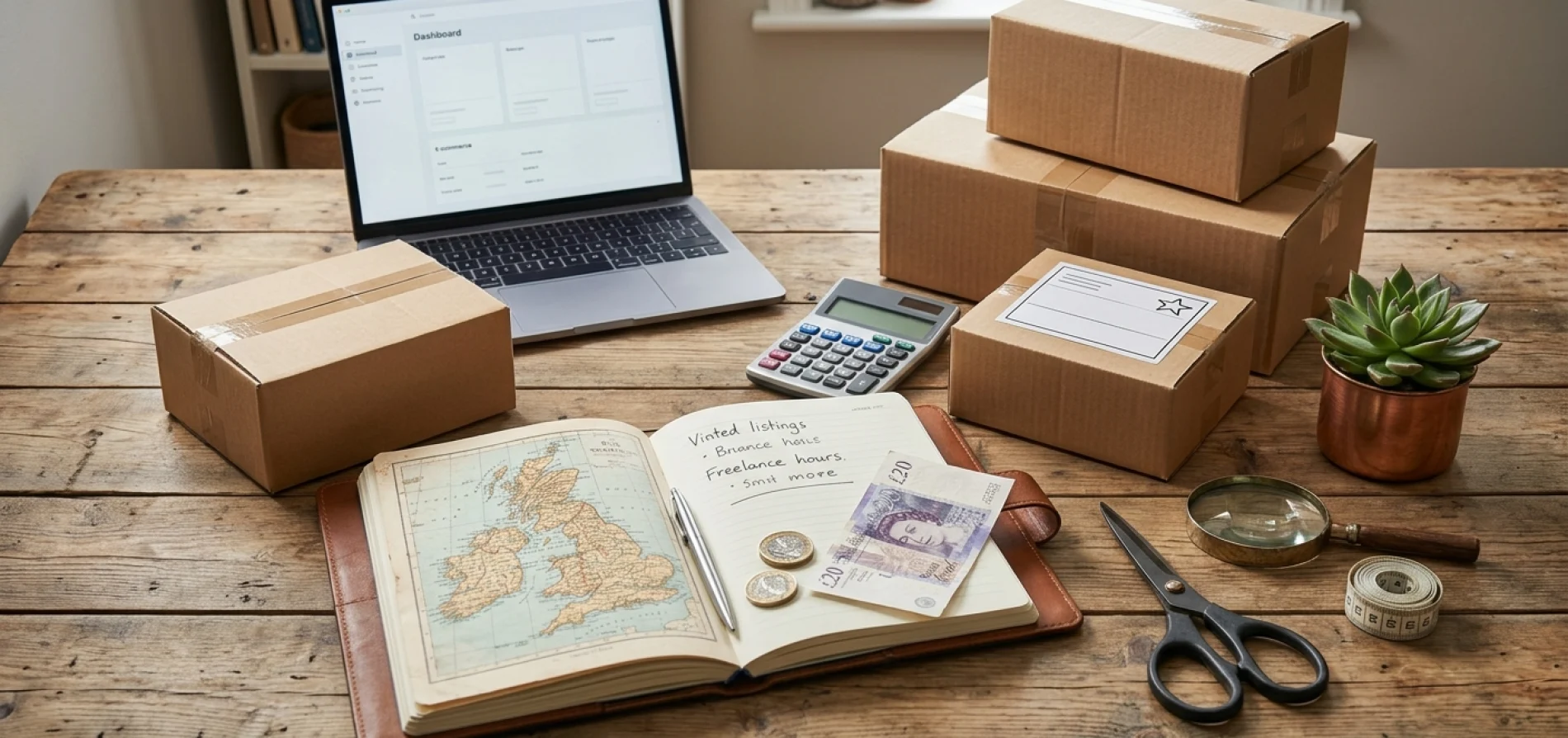
What About Selling on eBay, Etsy, Amazon or Vinted?
Online selling is one of the most common areas of confusion.
If you sell old personal items occasionally, that is usually different from trading. But if you buy items to resell, upcycle products for profit, sell handmade products, or run an online shop, HMRC may treat this as trading activity.
GOV.UK explains that if you regularly buy items from car boot sales or charity shops and sell them through online marketplaces with the intention of making a profit, you may need to tell HMRC about that income. It also says income from online content, gifts and services received for promoting products may need to be included when checking against the £1,000 trading allowance.
If your side hustle involves Shopify, Amazon, eBay or marketplace selling, you may also need better bookkeeping because platform fees, refunds, postage, stock and VAT can quickly become difficult to manage. Accounting People provides specialist support for e-commerce accounting.
When Does a Side Hustle Become a Business?
There is no single moment when a side hustle magically becomes a business. In practice, it often happens gradually.
Signs your side hustle is becoming a business include:
- You are earning regular income
- You are actively marketing your services
- You buy stock or materials to sell for profit
- You have repeat customers
- You spend consistent time on the activity
- You are planning to grow
- You need business insurance, software or a separate bank account
At this stage, it is worth thinking about structure. Many people start as sole traders because it is simpler. Others move into a limited company when profit, risk, branding or tax planning make that structure more suitable. For more guidance, read Accounting People’s guide on sole trader vs limited company.
As your side hustle becomes more established, working with a small business accountant can help you manage bookkeeping, tax responsibilities and financial decisions as the business grows.
Do Side Hustlers Need to Register for VAT?
Most small side hustles do not need to register for VAT straight away. However, VAT becomes important if your taxable turnover grows.
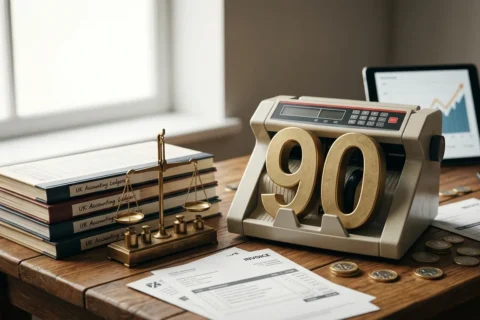
GOV.UK states that you must register for VAT if your total taxable turnover for the last 12 months goes over £90,000. You must also register if you realise your taxable turnover will go over the £90,000 threshold in the next 30 days. Late registration can mean paying VAT on sales made from the date you should have registered, and penalties may apply.
Even before reaching the VAT threshold, some businesses choose voluntary VAT registration, but this depends on the type of customers, pricing and costs involved. If your side hustle is close to the threshold or selling to VAT-registered businesses, speak to an accountant before making a decision. Accounting People can support with VAT returns and VAT registration.
Common Side Hustle Tax Mistakes
Many side hustle tax problems start with simple misunderstandings. The most common mistakes include:
Thinking the £1,000 allowance is based on profit
It is based on gross income, before expenses.
Ignoring income from multiple activities
If you earn from tutoring, online selling and content creation, you may need to add the income together.
Not keeping records
Bank statements alone may not be enough if HMRC asks for details.
Mixing personal and business money
This makes expenses harder to prove and profits harder to calculate.
Missing the Self Assessment deadline
Registering late or filing late can create penalties and unnecessary stress.
Claiming personal expenses as business costs
Only the business element can be claimed where something has both personal and business use.
Good bookkeeping and early advice can prevent most of these issues.
How Accounting People Can Help With Side Hustle Tax
A side hustle can be exciting, but tax admin can become stressful once income starts growing. The right accountant can help you understand whether you need to register, what expenses you can claim, how much to set aside for tax, and whether you should stay as a sole trader or consider a limited company.
Accounting People supports individuals, sole traders, freelancers, online sellers and small business owners across the UK with practical tax and accounting advice. Our small business accountants can help you stay compliant, keep better records and make confident decisions as your income grows.
Whether your side hustle is still small or already turning into a serious business, getting the tax position right early can save time, money and stress later.
Final Thoughts: Do Not Ignore Side Hustle Tax
The UK side hustle tax rules are manageable once you understand the basics.
If your gross side hustle income is £1,000 or less in the tax year, the trading allowance may mean you do not need to report it. If your income goes above £1,000, you may need to tell HMRC and complete a Self Assessment tax return. You may also be able to claim allowable expenses, but you need proper records to support them.
The best approach is simple: track your income, keep your receipts, understand your deadlines, and ask for advice before the side hustle becomes difficult to manage.
Need help with side hustle tax in the UK?
Speak to Accounting People today for clear, practical support with Self Assessment, bookkeeping, VAT and small business accounting.
FAQs
Do I need to pay tax on a side hustle in the UK?
You may need to pay tax if your side hustle income is above the £1,000 trading allowance. Even if no tax is due after expenses or allowances, you may still need to tell HMRC.
Is the £1,000 trading allowance based on profit?
No. The £1,000 trading allowance is based on gross income before expenses. If your gross side hustle income is more than £1,000, you may need to report it.
Do I need Self Assessment if I have a full-time job?
Possibly. PAYE usually covers your employment income, but it does not automatically cover side hustle income. If your side income needs reporting, you may need to register for Self Assessment.
Can I claim expenses for my side hustle?
Yes, if they are wholly and exclusively for business purposes. Common examples include stock, software, postage, marketing, platform fees, business travel and part of home office costs.
Do online platforms report income to HMRC?
Some online platforms may collect and report seller information to HMRC. You should keep your own records and check whether your income needs to be declared.
When should I speak to an accountant?
You should speak to an accountant if your income is over £1,000, your expenses are unclear, you sell through online platforms, you are close to the VAT threshold, or your side hustle is becoming a proper business.